
Property Management Kent: The Complete Guide to Hands-Off Landlording
The most effective way to achieve hands-off landlording in Kent is to appoint a reliable full-management property manager who coordinates tenant sourcing, rent collection, compliance, inspections, maintenance and day-to-day communication. You remain the property owner, but an experienced manager handles the operational workload through a clear, documented process.
At Hugh Champneys Ltd, I help landlords manage residential and commercial property with a professional, transparent approach. My role is to protect the condition of your asset, support positive tenant relationships and help you make informed decisions about your investment.
This guide explains what comprehensive property management in Kent should include and what landlords should check before appointing a managing partner.
What Does Full Property Management Include?
Full management is more than advertising a property and collecting rent. It is an ongoing service covering the practical responsibilities involved in running a compliant, well-maintained rental.
A comprehensive property manager typically facilitates:
Property assessment and rental strategy
Marketing and tenant sourcing
Viewings and application handling
Referencing and affordability checks
Right to Rent checks in England
Tenancy documentation and move-in arrangements
Rent collection and arrears communication
Maintenance reporting and contractor coordination
Routine inspections
Safety certificate renewal tracking
Deposit administration
Tenant communication
End-of-tenancy procedures
Financial statements and property updates
The exact scope depends on the management agreement, so landlords should request a written schedule of services before proceeding. At Hugh Champneys Ltd, I focus on clear communication, careful property oversight and a service that reflects the individual needs of each owner.
For landlords considering a longer-term solution, I also provide guaranteed rent arrangements in Kent, subject to property suitability and agreed terms.
1. Tenant Sourcing Starts with the Right Strategy
Finding a tenant is not simply a matter of uploading photographs to a property portal. A successful letting strategy begins with understanding the property, its location and the type of occupier it is best suited to attract.
A property manager should review:
Local rental demand
Comparable properties in the area
Property condition and presentation
Furnishing requirements
Likely tenant profile
Expected rental value
Potential licensing considerations
Accurate pricing is essential. If the rent is set too high, the property may remain vacant and lose momentum. If it is set too low, the landlord may leave income unclaimed.
I use local market insight to position properties appropriately and market them to suitable tenants. Depending on the property, this may include working professionals, families, corporate occupiers or business travellers seeking a reliable home in Kent.
A thorough sourcing process should also include:
Detailed property advertising
Professional-quality photographs
Arranged viewings
Application management
Income and affordability checks
Previous landlord references where appropriate
Right to Rent checks for adult occupiers
The objective is not merely to fill a vacancy. It is to facilitate a well-organised tenancy with clear expectations from the start.
2. Compliance Protects the Property and the Tenancy
Landlord compliance is one of the most important reasons to consider full property management in Kent. Requirements can involve safety, documentation, licensing, deposits and ongoing property standards.
Depending on the property and tenancy, key areas may include:
A valid Energy Performance Certificate
Annual gas safety checks where gas appliances are present
Electrical safety inspection documentation
Smoke alarms on required floors
Carbon monoxide alarms where applicable
Deposit protection and prescribed information
Right to Rent checks
Appropriate tenancy documentation
HMO or selective licensing where required
Safe furniture and supplied appliances
Records of inspections and repairs
The official Renters’ Rights Act Information Sheet confirms that most landlords and letting agents in England must provide the prescribed information to tenants. It also explains that the exact official document should be provided rather than simply sending a link.
Regulations can change, and requirements may vary according to the property, council area and tenancy type. A managing agent can coordinate certificates, reminders and documents, but landlords should understand an important principle: appointing an agent does not remove the owner’s overall legal responsibility.
That is why I believe good property management must be transparent. Landlords should receive access to relevant records, understand what action has been taken and know when important renewals are due.
Practical question: What is the best way to keep a Kent rental property compliant? Answer: Maintain a central property file, track renewal dates in advance, use appropriately qualified contractors and review local licensing requirements before letting.
3. Maintenance Requires Fast Decisions and Consistent Standards
Maintenance is often the part of landlording that creates the greatest disruption. A minor leak can become significant if it is not reported, assessed and resolved promptly. Heating failures, electrical faults and damp concerns require clear escalation procedures.
A full-management service should provide tenants with straightforward reporting channels and should establish how urgent issues are handled.
This normally involves:
Receiving and logging repair reports
Assessing urgency
Contacting a suitable contractor
Arranging access with the tenant
Obtaining quotations where necessary
Authorising work within agreed limits
Checking that work has been completed
Recording invoices and supporting information
Updating the landlord
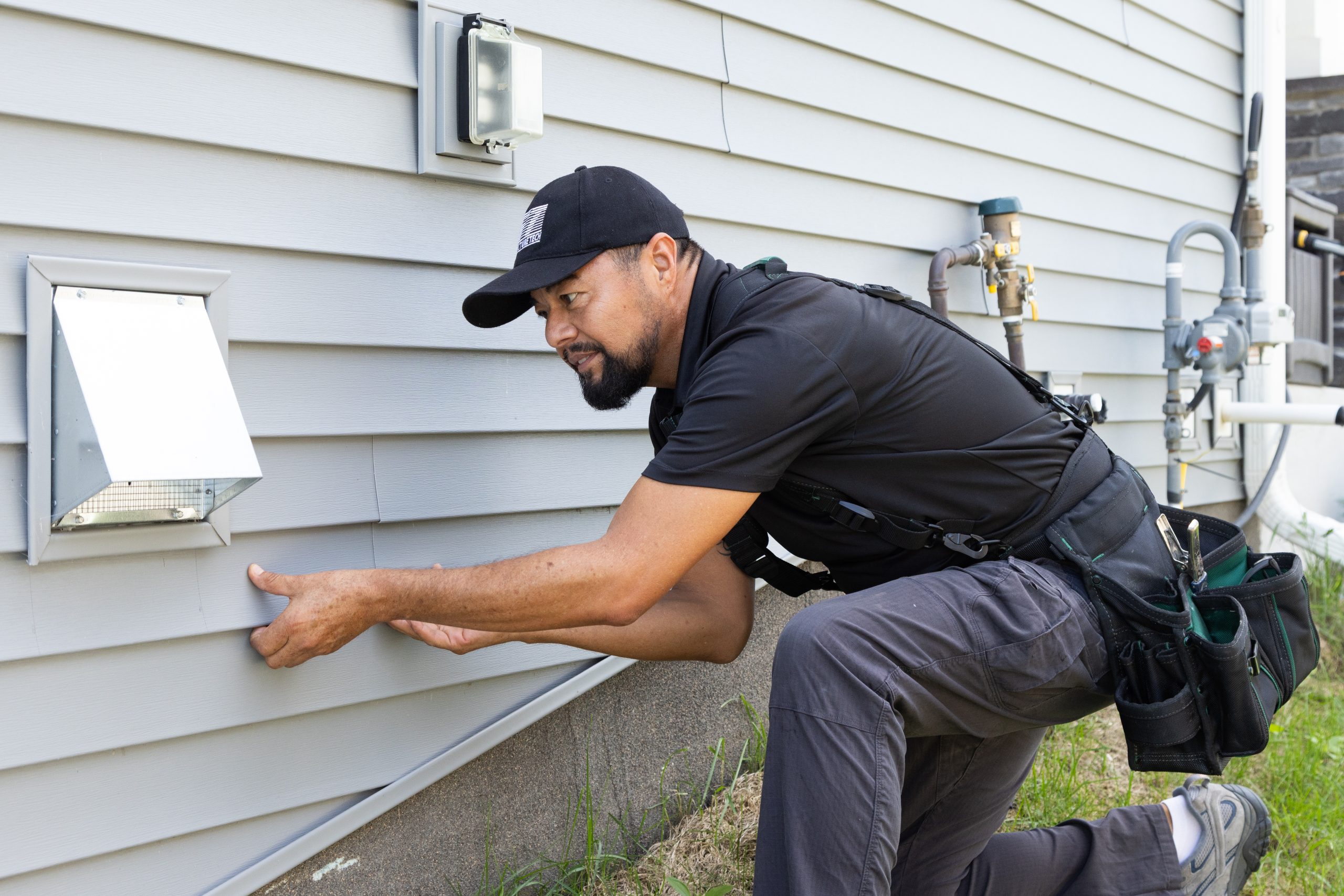
I coordinate maintenance with the aim of resolving issues efficiently while protecting the landlord’s budget. The cheapest available repair is not always the best long-term decision, so workmanship, reliability and the condition of the wider property must also be considered.
Landlords should agree in advance:
The emergency contact process
Spending authority limits
Preferred contractor arrangements
Response expectations
How quotations are approved
Whether routine inspections are included
How larger improvement projects are managed
A well-maintained property supports tenant satisfaction, reduces avoidable deterioration and helps preserve the long-term value of the investment.
4. Routine Inspections Identify Problems Early
Routine inspections are not intended to interfere with a tenant’s enjoyment of their home. They provide an opportunity to assess the condition of the property, identify maintenance concerns and confirm that agreed tenancy responsibilities are being followed.
A professional inspection may review:
Signs of damp, mould or leaks
Heating and hot water concerns
Condition of walls, floors and fixtures
External areas and drainage
Smoke and carbon monoxide alarms
Ventilation and condensation risks
Evidence of unauthorised alterations
General cleanliness and property care
Tenants should receive appropriate notice, and inspections should be documented with dated notes and photographs where suitable.

The value of an inspection is not just in finding defects. It is also in creating a clear record of the property’s condition throughout the tenancy. This can help landlords make informed decisions about preventative maintenance rather than waiting for a costly emergency.
5. Rent Collection and Tenant Communication Keep the Tenancy Stable
Rent collection is a central part of property management, but reliable management also involves communication before a missed payment becomes a serious issue.
A full-management process can include:
Collecting rent on the agreed date
Providing landlord statements
Monitoring payment patterns
Contacting tenants about missed payments
Recording communications
Escalating persistent arrears appropriately
Coordinating with professional advisers where legal advice is needed
Tenant communication should remain professional, prompt and consistent. Clear communication often resolves small concerns before they develop into formal disputes.
At Hugh Champneys Ltd, I aim to provide landlords with straightforward updates rather than leaving them uncertain about what is happening at their property. This reflects my wider approach to property management: personalised service, practical market insight and honest communication.
6. End-of-Tenancy Management Requires Attention to Detail
When a tenancy ends, the process does not stop at collecting the keys. The property must be assessed, outstanding matters addressed and the next letting decision made carefully.
A thorough end-of-tenancy process may include:
Confirming the agreed check-out arrangements
Reviewing the inventory and property condition
Identifying damage beyond reasonable wear and tear
Checking rent and bills where relevant
Managing deposit discussions through the appropriate process
Arranging cleaning or repairs
Reviewing safety documentation
Re-marketing the property or discussing an alternative strategy

Good records are especially important when managing condition, repairs or deposit matters. Photographs, inspection notes, contractor invoices and tenant communications should be stored securely and made available to the landlord.
What Should You Ask a Kent Property Manager Before Appointing Them?
Before signing a management agreement, ask practical questions about the service.
What does “full management” include?
Who handles tenant enquiries and emergencies?
How are tenants referenced?
How are Right to Rent checks completed?
How are safety certificate renewals tracked?
Are routine inspections included?
What spending authority does the manager have?
Which contractors are used?
How are repairs approved and recorded?
How often will I receive financial statements?
What happens if a tenant falls into arrears?
Are there separate fees for renewals, inspections or maintenance?
What happens when I want to sell or change the letting strategy?
The right property manager should answer clearly and provide written terms. A transparent agreement helps prevent misunderstandings and gives both parties a reliable framework for the relationship.
Why Landlords Choose Hugh Champneys Ltd
I provide a comprehensive property management service for landlords who want professional support without losing visibility of their investment.
My approach focuses on:
Personalised service for each property
Local understanding of the Kent market
Clear communication and transparent processes
Careful tenant and occupant management
Practical maintenance coordination
Compliance-focused administration
Long-term investment thinking
Guaranteed rent options for suitable properties
I manage both residential and commercial properties, while also offering investment strategy guidance and selected accommodation solutions for working professionals and business travellers.
Hands-off landlording should not mean being kept in the dark. It means having a trusted partner who handles the day-to-day work, reports clearly and helps you make confident decisions when action is required.
Frequently Asked Questions
How much does property management cost in Kent?
Fees vary according to the property, location, service level and management responsibilities. Some providers charge a percentage of collected rent, while other arrangements use fixed fees or an agreed rent structure. Request a full written quotation that explains every charge.
Is full property management suitable for a single rental property?
Yes. Full management can be useful for a single property, particularly if you live away from Kent, have limited time or do not want to manage tenant communication, maintenance and compliance personally.
Can a property manager guarantee my rent?
Some providers offer guaranteed rent through a separate long-term lease arrangement. The terms, property requirements and responsibilities should be explained clearly before signing. At Hugh Champneys Ltd, I discuss whether a three- to five-year arrangement is appropriate for the property and the landlord’s objectives.
Does using a property manager remove my legal responsibilities?
No. A managing agent can coordinate many operational tasks, but the landlord remains responsible for choosing a competent provider and ensuring the property is legally suitable to let. Always obtain independent legal or tax advice where necessary.
How often should a rental property be inspected?
The appropriate frequency depends on the property, tenancy and management agreement. Inspections should be arranged with proper notice and should balance effective oversight with the tenant’s right to quiet enjoyment.
Discuss Hands-Off Property Management in Kent
If managing your property is becoming time-consuming, I can help you review the most suitable route, whether that is comprehensive management, a guaranteed rent lease or a different investment strategy.
Contact Hugh Champneys Ltd:Arrange a conversation through the contact page.
Learn more about guaranteed rent and property management in Kent at Hugh Champneys Ltd.
Comments