
The 3-Point Property Health Check: Avoiding Costly Repairs Before They Happen
- hughchampneysltd
- Mar 12
- 6 min read
In the fast-paced world of the Kent rental market, it is easy to fall into the trap of "out of sight, out of mind." When a property is occupied and the rent is arriving on time, many landlords assume everything is functioning as it should. However, as any experienced property investor will tell you, silence from a tenant isn’t always a sign of a healthy building; sometimes, it’s just the calm before a very expensive storm.
At Hugh Champneys Ltd, I have seen firsthand how a small, overlooked leak or a hairline crack can evolve from a minor nuisance into a five-figure structural repair. The difference between a profitable, stress-free portfolio and a financial drain often comes down to one thing: preventative maintenance. By adopting a proactive mindset, you stop being a "firefighter" and start being a strategic asset manager.
This guide introduces the 3-Point Property Health Check: a comprehensive framework focusing on Structure, Safety, and Systems. By mastering these three pillars, you ensure the longevity of your investment and the satisfaction of your tenants.
1. Structure: The Foundation of Your Investment
The "bones" of your property are its most critical components. In Kent, we are blessed with a wide variety of architectural history, from Victorian terraces in Maidstone to modern developments in Ashford. However, older stock requires a specific eye for structural integrity.
Identifying the Early Warning Signs
Structural issues rarely happen overnight. They give off subtle signals that, if caught early, can be rectified with minimal disruption. I recommend a thorough walk-around of the property at least once a year, specifically looking for:
External Cracks: Not all cracks are cause for alarm, but "staircase" cracking in brickwork or gaps around window frames can indicate subsidence or movement in the foundations.
Roofing and Guttering: Water is a building’s greatest enemy. Blocked gutters lead to overflowing water, which eventually penetrates the brickwork, leading to damp and timber rot. I ensure that all properties under my management have their gutters cleared post-autumn to prevent winter ingress.
Damp and Mould: Especially in older Kentish homes, rising damp or penetrating damp can ruin internal finishes and pose health risks to tenants. Identifying the source: whether it’s a failed DPC (Damp Proof Course) or poor ventilation: is essential.
The "Heel-Drop" Test and Floor Integrity
During a structural health check, we don't just look at the walls. I employ methods like the "heel-drop" test to check for excessive vibration or deflection in wooden floor joists. If a floor feels "springy," it may indicate rot or a structural weakness that needs addressing before a heavy piece of furniture or an appliance causes a collapse.

2. Safety: Meeting Your Duty of Care
As a landlord, your legal obligations are non-negotiable. Safety is the cornerstone of a professional rental business. Beyond the legalities, a safe property is a "sticky" property: tenants who feel secure and looked after are far more likely to renew their leases, reducing your void periods.
Electrical and Fire Safety
Electrical fires are a leading cause of property damage in the UK. Since 2021, the EICR (Electrical Installation Condition Report) has been a mandatory requirement, but a truly professional health check goes beyond a five-year certificate. I facilitate regular visual inspections of:
Consumer Units: Ensuring they are modern and fitted with RCDs (Residual Current Devices).
Socket Integrity: Checking for scorch marks or loose fittings which indicate overloading or faulty wiring.
Smoke and Carbon Monoxide Alarms: These must be tested at the start of every tenancy and during mid-term inspections. It is a simple check that saves lives and protects your liability.
Gas Safety and Compliance
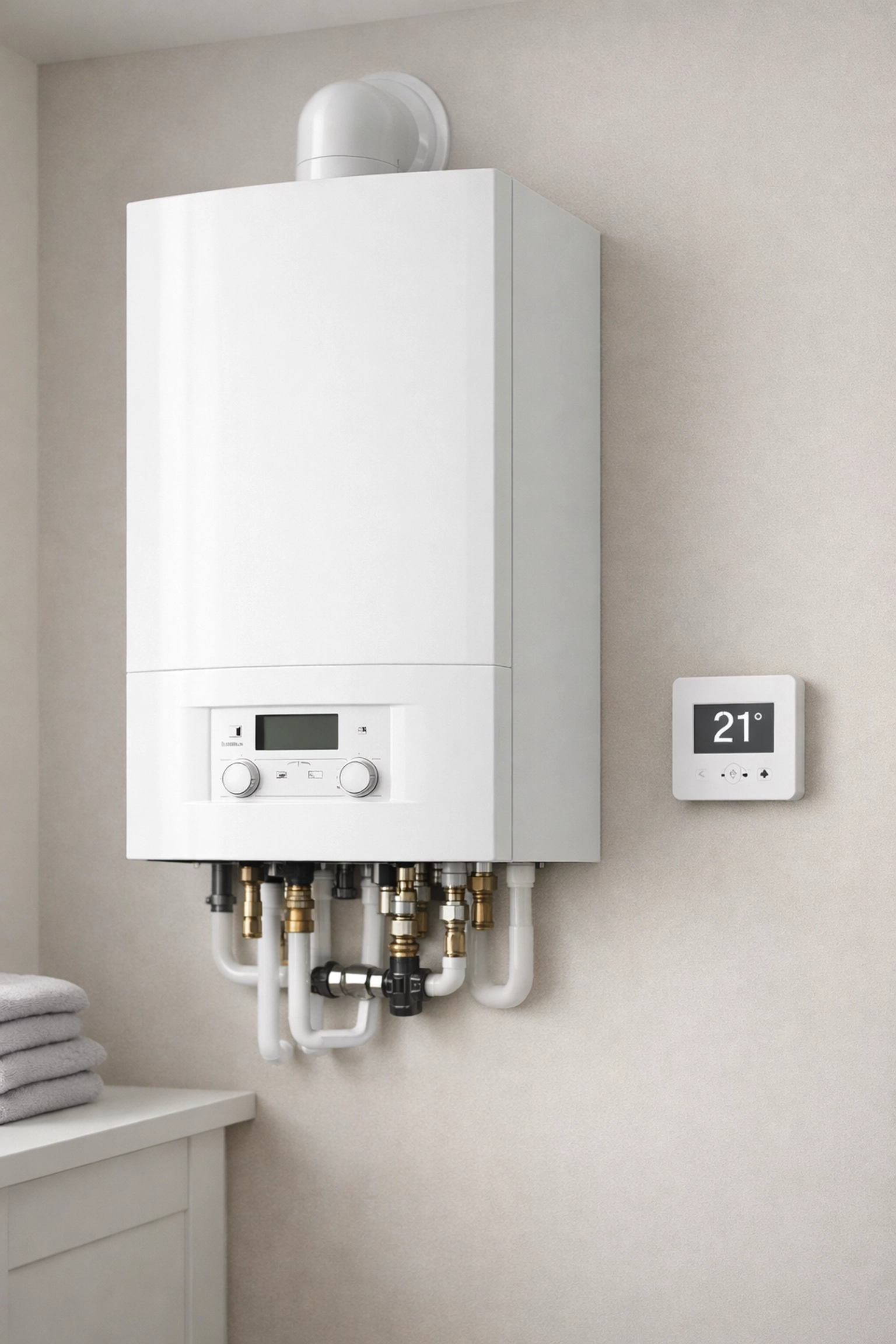
The annual Gas Safety Check (CP12) is the bare minimum. A comprehensive health check involves looking at the age and efficiency of the boiler itself. If a boiler is over 10 years old, I often advise my clients to consider a replacement before it fails in the middle of January. Not only does this prevent an emergency call-out fee, but modern A-rated boilers also make the property more attractive to tenants by lowering their energy bills.
3. Systems: The Mechanics of the Home
If the structure is the "bones" and safety is the "protection," then the systems are the "organs" of your property. This includes your plumbing, HVAC (Heating, Ventilation, and Air Conditioning), and drainage. These are the systems that tenants interact with every single day.
Plumbing and Drainage
A "slow" drain is usually a precursor to a total blockage. During a property health check, I recommend running all taps and flushing all toilets to check for drainage speed and any signs of "knocking" in the pipes (water hammer).
The Hidden Leak: Small drips under a kitchen sink or behind a toilet can rot floorboards over months without the tenant noticing.
External Drainage: Ensure that external drains are free of debris and that manhole covers are accessible and in good condition.
Heating and Ventilation
In the UK climate, the heating system is the most hard-working part of the house. I ensure that radiators are bled and that the system is pressurized correctly. Furthermore, I look at ventilation systems: extractor fans in bathrooms and kitchens are vital for preventing the condensation that leads to mould. If a fan is noisy or underperforming, replacing it for £50 is a much better investment than spending £1,000 on mould remediation and repainting.
Establishing a Baseline Record
One of the most valuable aspects of our 3-point check is the creation of a baseline record. By documenting the condition of these systems annually, I can track deterioration over time. This data-driven approach allows us to predict when a roof might need retiling or when a heating system is reaching the end of its life, allowing you to budget for these capital expenditures rather than being blindsided by them.
The ROI of Preventative Maintenance
You might wonder if this level of scrutiny is necessary. From a purely financial perspective, the answer is a resounding yes. Let’s look at the numbers:
Cost of a Gutter Clean: £150.
Cost of Repairing Internal Damp and Blown Plaster caused by blocked gutters: £2,500+.
Cost of a Boiler Service: £100.
Cost of an Emergency Boiler Replacement and Tenant Compensation: £3,500+.
Beyond the direct costs, there is the "soft" ROI. A well-maintained property attracts a higher caliber of tenant. These tenants are typically more responsible, pay higher rent, and stay longer. By demonstrating that you care about the health of the building, you set a standard that the tenant is encouraged to follow.
How Hugh Champneys Ltd Facilitates Your Success
Managing a property portfolio shouldn't be a full-time job for you. My role is to act as your expert partner on the ground in Kent. I manage the entire maintenance lifecycle, from initial health checks to the coordination of trusted, local contractors.
I offer a comprehensive management service that includes:
Rigorous mid-term inspections based on the 3-Point Framework.
Access to a vetted network of Kent-based tradespeople.
Strategic advice on property upgrades to optimize your rental yield and EPC ratings.
Detailed reporting so you stay informed without needing to be "hands-on."
If you want to move away from reactive repairs and toward a strategy of long-term capital growth and stable income, I am here to help. We can optimize your portfolio to ensure it remains a high-performing asset for years to come.
For more information on how I can help you secure and manage your investments, visit our home page: Hugh Champneys Ltd
Frequently Asked Questions
How often should I conduct a full property health check? I recommend a visual check every six months and a "deep dive" structural and systems audit once a year. This ensures you catch issues across both the heating and cooling seasons.
Does a property health check replace a surveyor’s report? While our health check is incredibly thorough for ongoing maintenance, it does not replace a Level 3 Structural Survey required during a purchase. However, it is an excellent tool for maintaining the "health" established in those initial surveys.
My property is a new build; do I still need this? Absolutely. In fact, the first two years of a new build are critical for identifying "snagging" issues like settlement cracks or incorrectly installed plumbing before the builder’s warranty expires.
Testimonials from Kent Landlords
"Hugh took over the management of my three Victorian terraces in Canterbury. Within the first month, his health check identified a significant roofing issue that my previous agent had missed. He saved me thousands in potential water damage. Highly recommended." : Sarah D., Canterbury
"The peace of mind is worth every penny. I no longer worry about emergency calls because I know Hugh has already checked the boiler, the gutters, and the electrics. It’s the most professional service I’ve found in Kent." : Mark R., Ashford
Ready to Secure Your Property’s Future?
Don't wait for a leak to become a flood. If you are a landlord in Kent looking for a reliable, expert partner to oversee your investments, let’s talk.
Contact Hugh Champneys today: Email: hugh@hughchampneys.co.uk Website: https://hughchampneysdealsourcing.co.uk/home--hugh-champneys-ltd
Comments