
Commercial-to-Residential Conversions: What Landlords Need to Know in 2026
- hughchampneysltd
- Jan 14
- 5 min read
The landscape of commercial-to-residential conversions has transformed dramatically in 2026. As a property professional, I've witnessed firsthand how regulatory reforms and financial incentives are making these conversions more accessible than ever before. For landlords looking to adapt their commercial properties to meet growing residential demand, understanding the current requirements and opportunities is crucial for success.
Cities across the UK and internationally are streamlining conversion processes, offering unprecedented support for property owners willing to transform underutilised commercial spaces into much-needed residential accommodation. This shift represents one of the most significant opportunities in today's property market.
Understanding the Legal Framework
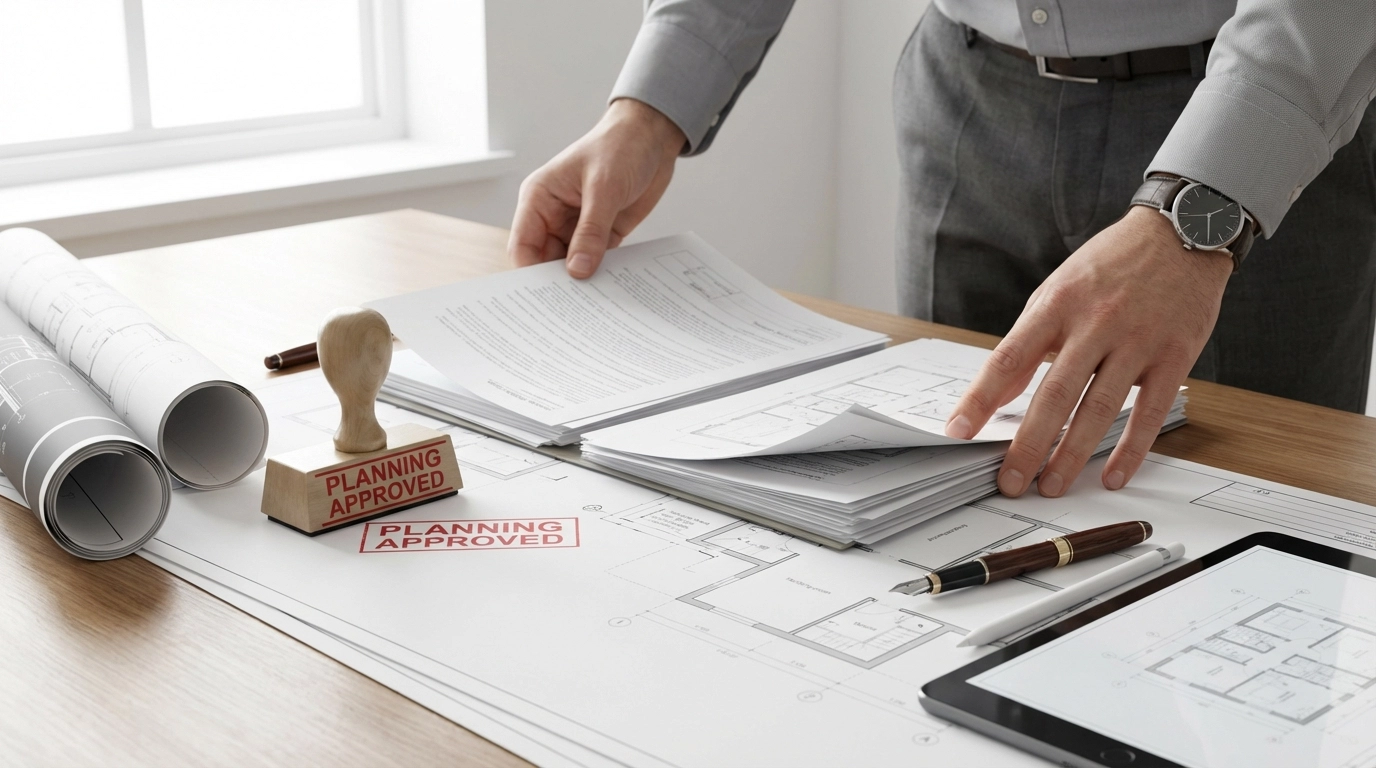
The foundation of any successful conversion begins with navigating the legal requirements, which have become more standardised and landlord-friendly in recent years.
Zoning Compliance Requirements
The first critical step involves verifying that your local authority permits residential use in your current location. If your property sits in a commercially-zoned area, you may need to pursue a formal rezoning process. This involves submitting a detailed application to your local government requesting a change in the property's classification.
The rezoning process typically requires comprehensive conversion plans and may include public consultation periods. However, many local authorities have streamlined these procedures significantly. What once took up to twelve months now often completes within 120-150 days in progressive areas.
New zoning classifications may include specific restrictions regarding building height, density, or parking requirements. Understanding these limitations early prevents costly redesigns later in the process.
Permits and Planning Approval
Converting commercial space to residential use requires multiple permits, including building, electrical, and plumbing approvals. Each permit ensures compliance with local, state, and national standards designed to protect future residents.
The permitting process requires submitting detailed conversion plans prepared by qualified architects. These plans must demonstrate compliance with current building regulations and safety standards. Multiple inspections occur throughout the conversion process before final approval.
Working with architects and contractors experienced in commercial-to-residential conversions significantly streamlines this stage. Their familiarity with local requirements helps avoid common pitfalls that delay projects.
Building Code Compliance Standards
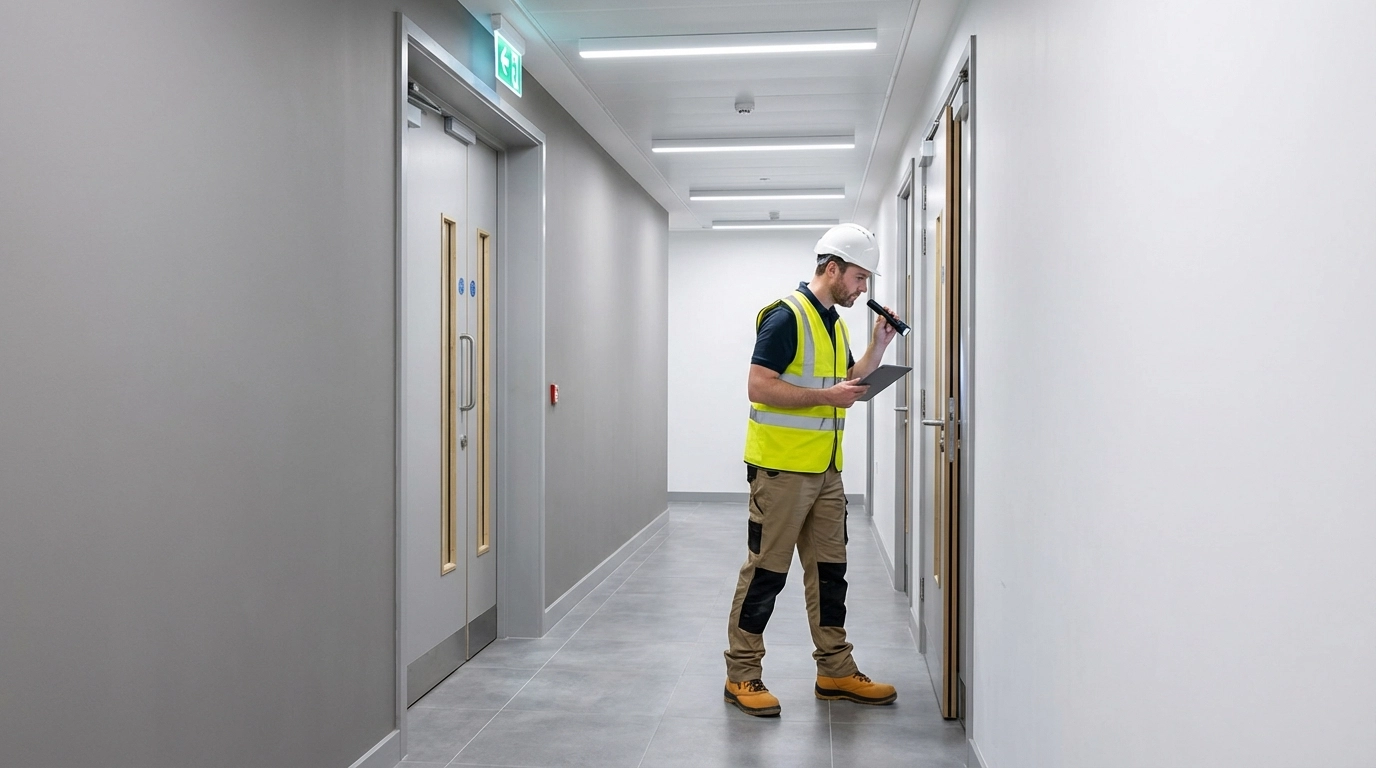
Converted residential spaces must meet stringent building codes covering structural integrity, fire safety, electrical systems, and accessibility requirements. These standards ensure converted properties provide safe, comfortable living environments.
Common compliance requirements include installing appropriate fire exits, upgrading electrical systems to residential standards, and adding proper insulation for energy efficiency. Accessibility features for people with disabilities must also be incorporated where feasible.
Non-compliance with building codes results in significant penalties, project delays, or even property shutdown orders. Investing in proper compliance from the start protects both your investment and future residents' safety.
Financial Implications and Tax Considerations
The financial aspects of commercial-to-residential conversions extend far beyond construction costs. Understanding these implications helps landlords make informed investment decisions.
Conversion Costs and Financing
Total conversion costs include construction expenses, permit fees, and potential zoning application charges. These costs vary significantly depending on the property's current condition and the extent of modifications required.
Financing terms for residential projects often differ substantially from commercial loans. Residential mortgages typically offer lower interest rates but may have different lending criteria. Some lenders specialise in conversion projects and understand the unique challenges involved.
I recommend obtaining detailed cost estimates from multiple contractors before committing to any conversion project. This approach ensures realistic budgeting and helps secure appropriate financing.
Property Tax Implications
Reclassifying property from commercial to residential use directly impacts property tax assessments. Residential properties often have different tax rates and may qualify for various exemptions not available to commercial properties.
The reclassification can create both opportunities and liabilities. Some areas offer tax incentives for creating residential accommodation, while others may impose additional charges. Consulting with a qualified tax professional ensures you understand the full implications for your specific situation.
Depreciation rules also vary between commercial and residential properties, affecting your annual tax reporting and long-term investment strategy.
Regulatory Changes and Incentive Programs
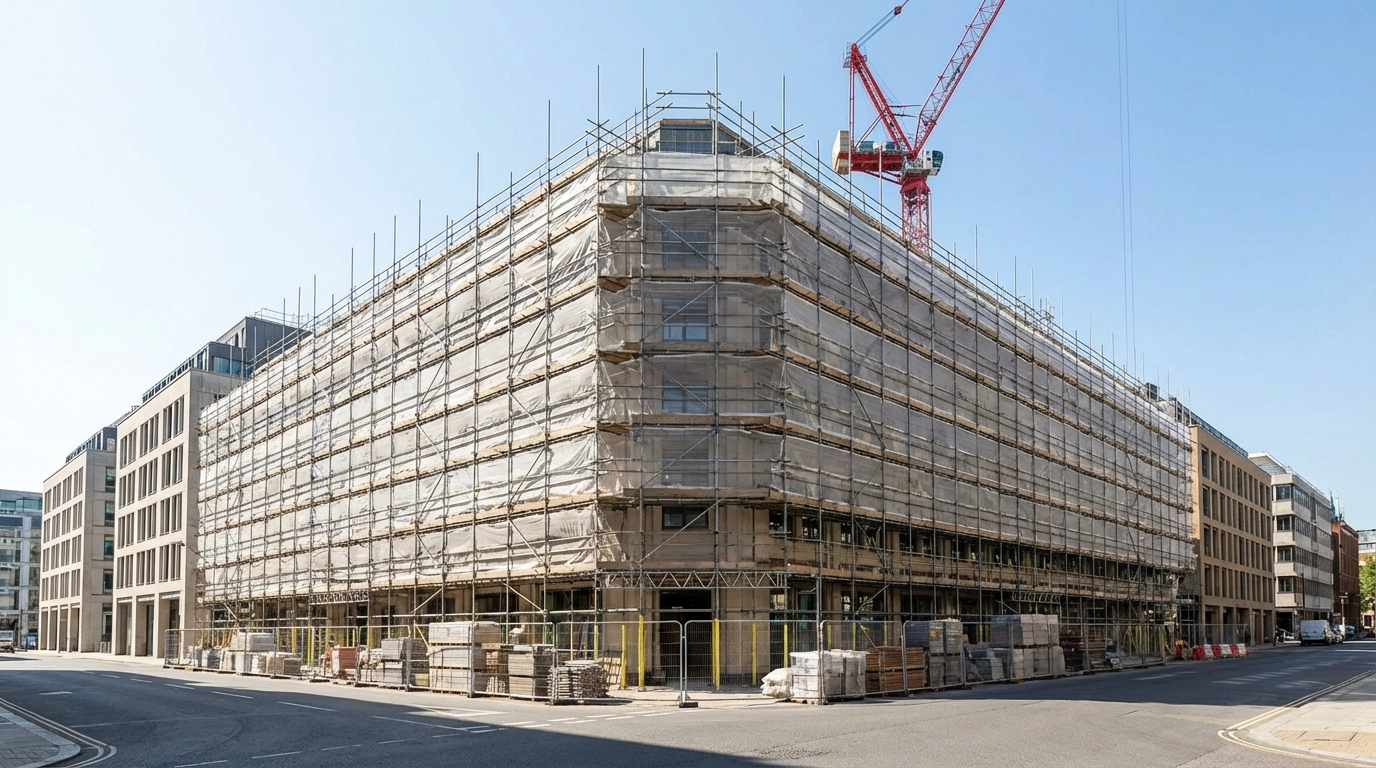
The regulatory environment in 2026 offers unprecedented support for commercial-to-residential conversions through various incentive programs and streamlined approval processes.
Expedited Approval Processes
Many local authorities have implemented fast-track approval systems for conversion projects. These programs recognise the public benefit of creating additional residential accommodation and remove unnecessary bureaucratic delays.
Some areas have eliminated public hearing requirements for straightforward conversions, while others have reduced the intensity of traffic impact studies. These changes significantly reduce project timelines and associated holding costs.
Financial Incentives and Tax Relief
Various jurisdictions offer substantial financial incentives for conversion projects. These may include tax exemptions for projects that include affordable housing components, reduced planning fees, or direct financial grants.
Some areas provide up to 90% tax exemption for conversion projects that allocate at least 25% of units as affordable housing. Others have waived planning application fees and building regulation charges for qualifying projects.
Major cities have committed substantial funding specifically for office-to-residential conversions, recognising their importance in addressing housing shortages while revitalising commercial districts.
Zoning Flexibilities
New zoning categories specifically designed for commercial-to-residential conversions have emerged, removing previous restrictions that made conversions financially unviable. These include relaxed floor area ratio requirements and reduced parking space mandates.
Many areas now offer density bonuses for conversion projects, allowing landlords to create more residential units than would normally be permitted. This flexibility significantly improves project economics.
Strategic Considerations for Landlords

Success in commercial-to-residential conversions requires careful consideration of market conditions, property characteristics, and long-term investment goals.
Property Assessment
Not every commercial property makes a suitable residential conversion. Factors such as ceiling height, natural light availability, and proximity to residential amenities significantly impact conversion feasibility and ultimate rental values.
Properties with large, open floor plates often convert more successfully than those with multiple small rooms. Historic buildings may face additional constraints but can command premium rents when converted sensitively.
Location remains crucial. Properties in areas transitioning toward mixed-use development typically achieve better returns than those in purely industrial zones.
Market Analysis
Understanding local rental markets helps determine the most appropriate residential format for your conversion. Some areas have strong demand for studio apartments, while others favour family-sized units.
Analyzing comparable residential properties provides insight into potential rental yields and helps justify conversion costs. This analysis should include both current market conditions and projected future demand.
Practical Next Steps for Implementation
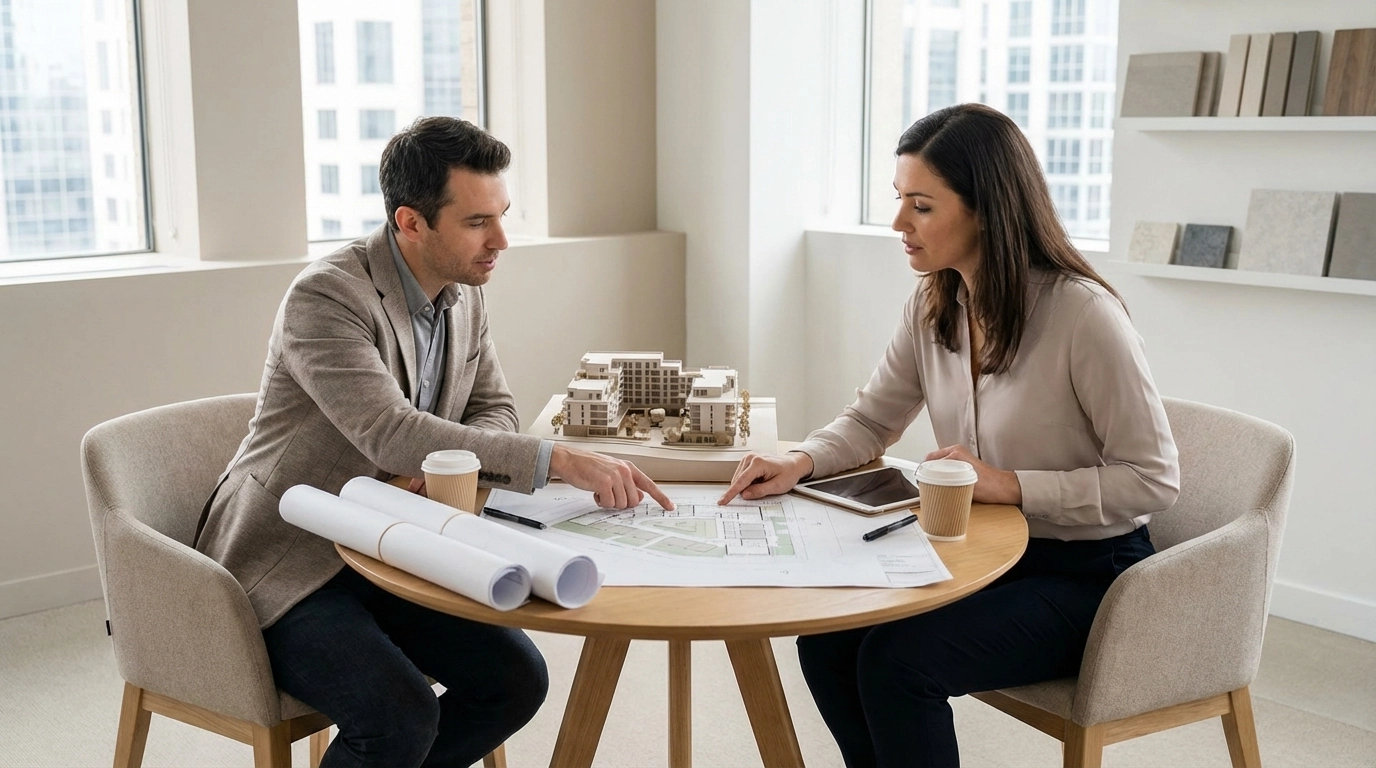
Converting commercial property to residential use requires systematic planning and professional guidance to navigate the complex regulatory landscape successfully.
The first essential step involves consulting with local planning officials or a qualified real estate attorney who understands your jurisdiction's specific requirements. Regulations vary significantly between areas, and local expertise prevents costly mistakes.
Research whether your building qualifies for local incentive programs, which can substantially reduce financial burdens and improve project viability. Many landlords overlook available incentives that could transform project economics.
Assemble a team of experienced professionals including architects, contractors, and financial advisors familiar with conversion projects. Their expertise streamlines the process and helps avoid common pitfalls that delay projects or increase costs.
The commercial-to-residential conversion market in 2026 offers exceptional opportunities for landlords willing to adapt to changing market demands. With supportive regulatory frameworks and substantial incentive programs now available, the barriers to successful conversion have never been lower.
At Hugh Champneys Ltd, I help landlords navigate these opportunities and develop strategies that maximise returns while contributing to solving the housing shortage. If you're considering a commercial-to-residential conversion, I offer comprehensive guidance through every stage of the process.
For professional advice on your specific conversion opportunity, contact Hugh Champneys Ltd through our website at hughchampneysdealsourcing.co.uk. Together, we can transform your commercial property into a valuable residential asset that meets today's market demands.
Comments