
EPC C by 2030: Which Upgrades Give Kent Landlords the Best ROI (and Which Are a Waste)
- hughchampneysltd
- Feb 7
- 5 min read
Let's cut through the noise. With the EPC C deadline hitting on 1 October 2030, every landlord in Kent is facing the same question: where do I spend my money to actually get value back?
The government's £10,000 spend cap sounds generous until you realise heat pumps alone can cost £8,000-£12,000. Suddenly, you're looking at choices that could either protect your rental income or drain your account with minimal return.
I've seen landlords panic-buy solar panels they don't need and skip cavity wall insulation that would've paid for itself in three years. Here's what actually works in Kent's property market.
The £10,000 Cap: Your Strategic Framework
From October 2025 onwards, any EPC improvements count towards your £10,000 maximum spend per property. This isn't a target, it's a ceiling. If you hit that cap without reaching EPC C, you can register for a 10-year exemption. But here's the thing: most Kent properties can hit C rating for £4,000-£7,000 if you're strategic.
The landlords who'll struggle are those who start throwing money at expensive upgrades without understanding which ones move the needle on their EPC rating.

High ROI Upgrades: Where Your Money Works Hardest
Loft Insulation (270mm depth)
Cost: £300-£800 for average Kent terrace EPC Points Gained: 8-15 points Payback Period: 2-4 years through reduced heating bills
This is the lowest-hanging fruit that most landlords have already picked. If your property still has 100mm insulation or less, upgrading to 270mm is non-negotiable. It's cheap, it's fast, and it delivers immediate EPC gains.
For Kent properties, particularly Victorian and Edwardian terraces in Maidstone, Canterbury, and Tunbridge Wells, this single upgrade often pushes a D rating into C territory when combined with one or two other measures.
Cavity Wall Insulation
Cost: £1,200-£2,500 for typical Kent semi EPC Points Gained: 12-20 points Payback Period: 3-6 years
If your property was built between 1920-1990 and has unfilled cavity walls, this upgrade delivers exceptional value. The installation takes one day, doesn't disrupt tenants, and the EPC impact is substantial.
Coastal properties in Folkestone and Dover see even better returns due to higher wind exposure and heat loss through walls.

Double Glazing (if you still have single glazing)
Cost: £4,000-£8,000 for full property EPC Points Gained: 10-18 points Payback Period: 8-12 years through energy savings alone
Here's where it gets interesting. Double glazing is expensive and has a long payback through energy savings. But in Kent's rental market, it's also a tenant expectation. Properties without it sit vacant longer and command lower rents.
The ROI calculation isn't just about EPC points, it's about rental competitiveness. If you're in Canterbury's student market or Maidstone's professional sector, single glazing is costing you tenants.
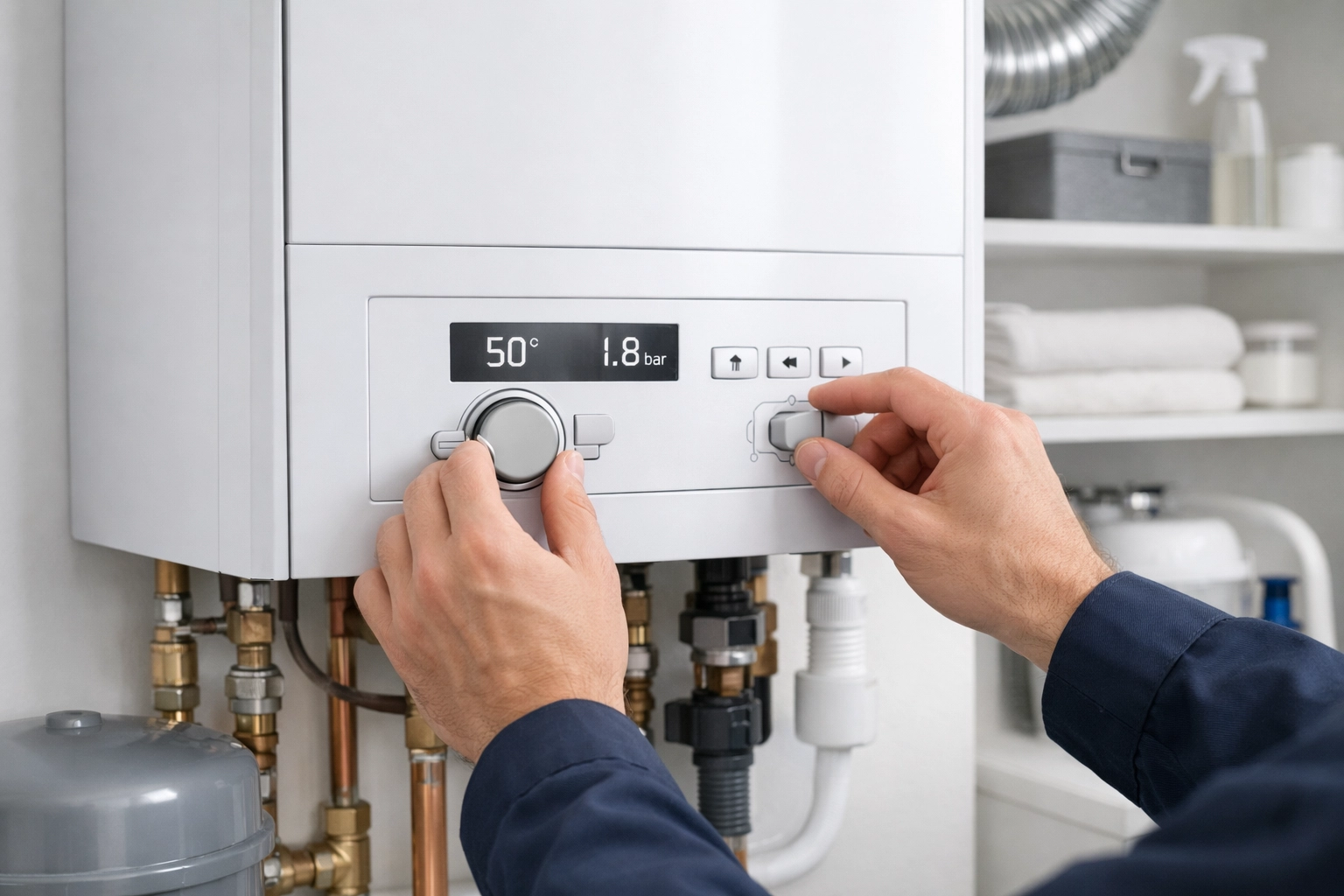
Condensing Boiler Upgrade
Cost: £2,000-£3,500 EPC Points Gained: 8-12 points Payback Period: 5-8 years
If you're still running a non-condensing boiler installed before 2005, replacing it with an A-rated condensing model is straightforward value. The installation is simple, tenants appreciate reliable heating, and the EPC boost is consistent.
This becomes even more valuable if your current boiler is approaching end-of-life anyway. You're solving a maintenance issue and gaining EPC points simultaneously.
Medium ROI Upgrades: Proceed With Caution
Solar Panels
Cost: £4,000-£7,000 for 10-panel system EPC Points Gained: 10-20 points Payback Period: 12-20 years
Solar panels are the upgrade everyone talks about and many landlords regret. Yes, they boost your EPC rating. Yes, they reduce energy bills. But the payback period is long, and you're gambling that your property won't need other expensive maintenance in the next decade.
For Kent landlords, solar makes sense in specific scenarios:
Properties that are one upgrade away from EPC C
South-facing roofs with minimal shading
Long-term hold properties you plan to keep 15+ years
If you're considering selling within 10 years or the property needs a new roof soon, solar becomes questionable value.
External Wall Insulation
Cost: £8,000-£15,000 EPC Points Gained: 15-25 points Payback Period: Never (exceeds £10k cap)
This is the elephant in the room. External wall insulation delivers massive EPC improvements for solid-wall properties: common in Kent's historic towns. But the cost typically exceeds your entire £10,000 budget.
Unless you're combining this with major refurbishment work anyway, it's usually better to use your budget on 3-4 smaller upgrades that collectively push you over the EPC C threshold.
Low ROI Upgrades: Probably Not Worth It
Heat Pumps (in most cases)
Cost: £8,000-£14,000 EPC Points Gained: Variable (sometimes negative for older properties) Payback Period: 20+ years
Here's the uncomfortable truth: heat pumps are being pushed hard by government policy, but for most Kent rental properties, they're terrible value.
The installation costs consume your entire £10,000 budget. Many older properties need radiator upgrades and additional insulation before a heat pump works efficiently. And tenants in Kent aren't yet familiar with running them properly, leading to complaints about "cold" properties.
Heat pumps make sense for new builds and comprehensively refurbished properties. For your typical 1930s semi in Ashford? Skip it and spend the money on insulation and glazing instead.
Smart Heating Controls
Cost: £200-£600 EPC Points Gained: 2-4 points Payback Period: 15+ years through energy savings
Smart thermostats are great for owner-occupiers. For rental properties, they're often broken or misused by tenants within 12 months. The EPC gains are minimal, and the maintenance headache isn't worth the investment.
Standard programmer and room thermostats meet regulations and don't create tenant confusion.
The Kent-Specific Strategy
Kent's housing stock skews older than national average. We have more Victorian terraces, more solid-wall properties, and more conservation area restrictions than most UK regions.
This means your upgrade strategy needs to account for:
Planning restrictions in Canterbury, Royal Tunbridge Wells, and Tonbridge that limit external changes. Focus on internal insulation and heating efficiency.
Coastal exposure in Folkestone, Deal, and Whitstable where wind and moisture make cavity wall insulation and upgraded glazing particularly valuable.
Period property stock in Maidstone and Sevenoaks where sympathetic upgrades maintain property value while improving EPC ratings.

Your Action Plan
Step 1: Get an EPC assessment that identifies specific upgrade recommendations for your property. Don't assume: different properties need different approaches.
Step 2: Prioritise insulation upgrades first. They're cheapest, deliver consistent EPC gains, and improve tenant comfort.
Step 3: Replace failing equipment strategically. If your boiler is 12+ years old, upgrade it now while it counts toward EPC improvements.
Step 4: Calculate your EPC C pathway. Most Kent properties need 2-3 strategic upgrades, not every possible improvement.
Step 5: Keep detailed records. From October 2025, you'll need to prove your £10,000 spend if you're claiming the exemption.
The landlords who'll navigate the 2030 deadline successfully aren't the ones spending the most money. They're the ones spending smartly on upgrades that deliver genuine value in Kent's rental market.
If you're managing multiple properties and need strategic guidance on EPC compliance across your portfolio, that's exactly the kind of challenge we help landlords solve at Hugh Champneys Ltd.
The deadline is firm. But your approach to meeting it should be strategic, not panicked.
Comments