
The Rise of 'Eco-Investing': Is Upgrading Your Property's Green Credentials Actually Worth the ROI in 2026?
- hughchampneysltd
- Feb 21
- 5 min read
The property investment landscape has shifted dramatically. What was once considered a "nice-to-have" sustainability feature has transformed into a fundamental component of asset performance. As we progress through 2026, the question is no longer whether green upgrades matter: it's whether ignoring them puts your investment at significant risk.
The short answer? Green property upgrades are delivering competitive returns, but the value depends entirely on your strategy, property type, and which specific improvements you prioritize. Let's examine the evidence.
The Financial Case: Real Numbers from Real Upgrades
Energy efficiency improvements are no longer purely ideological decisions. They deliver measurable financial returns that compete favorably with traditional property enhancements.
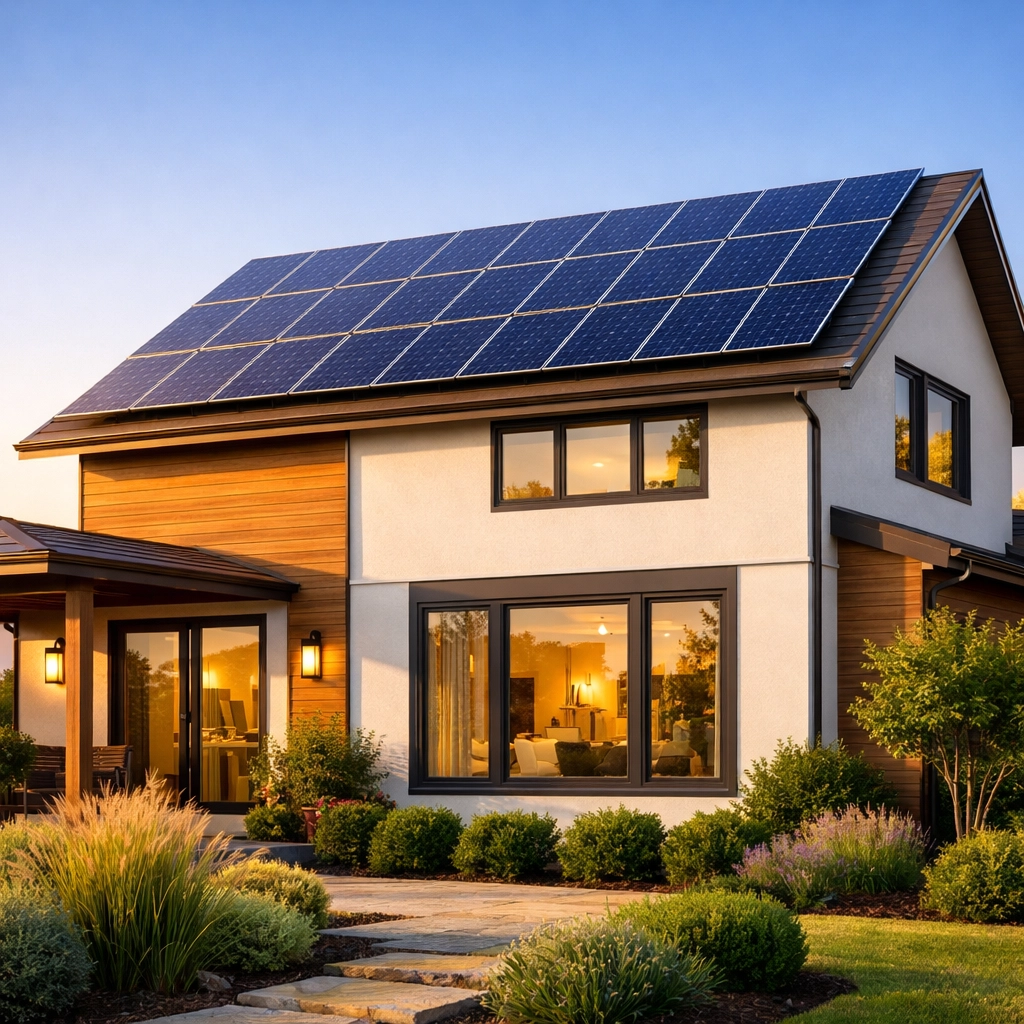
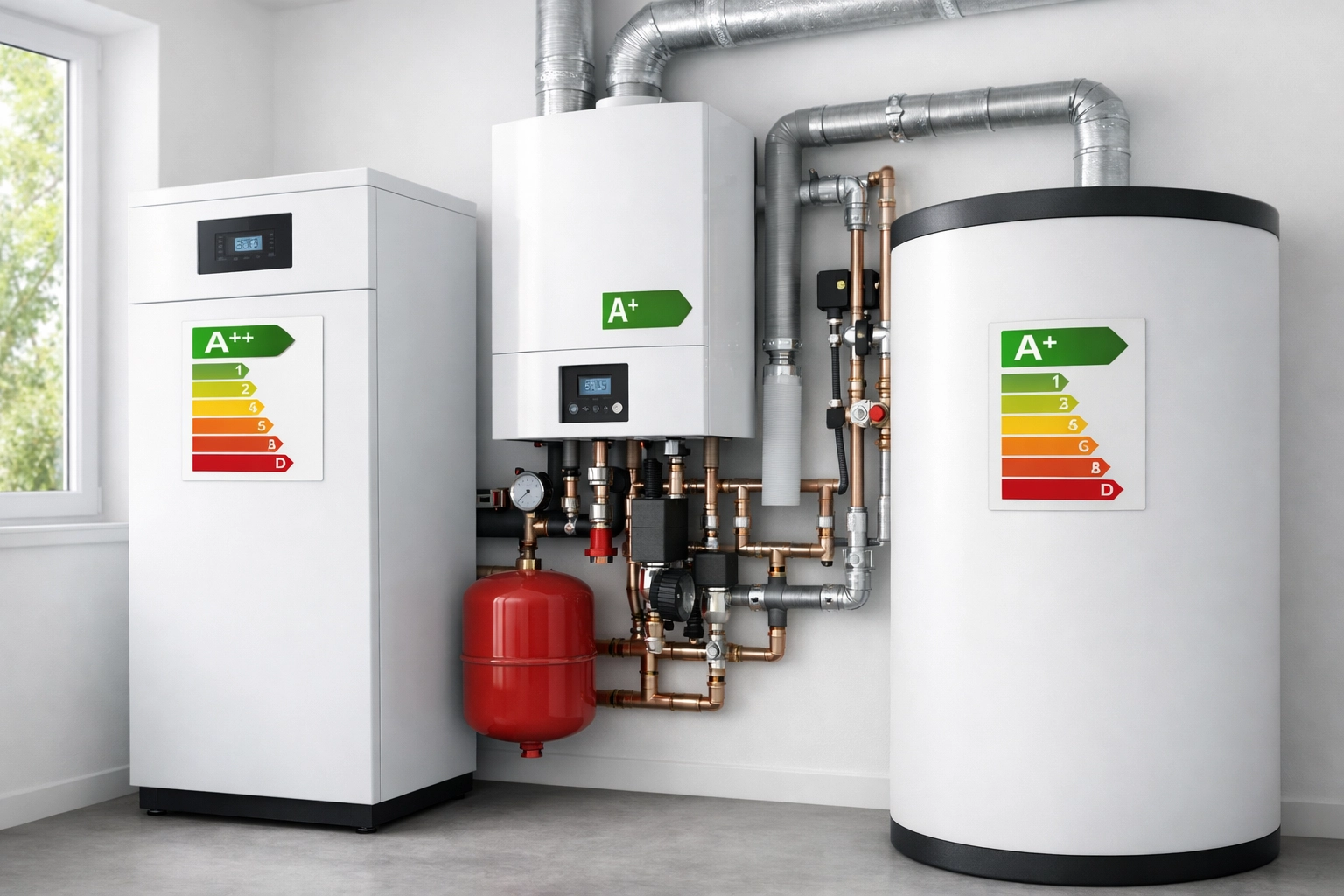
HVAC systems and attic insulation upgrades achieve 100% ROI when you factor in reduced cooling and heating bills. This isn't a projection: it's current market performance. Similarly, solar panel installations can deliver up to 100% ROI by significantly reducing electricity costs over their operational lifespan.
Even more modest interventions produce consistent results. Double-pane window replacements cut annual energy costs by approximately 20% each year. For a rental property with £2,000 in annual energy expenses, that's £400 in savings annually: a compelling argument for the upgrade.
These figures represent direct cost reductions, but they don't capture the full picture. Properties with strong energy performance credentials attract tenants more quickly, command premium rents, and experience lower vacancy rates. We've observed this firsthand across our managed portfolio: energy-efficient properties consistently outperform their counterparts in tenant retention and rental income.
Market Dynamics: From Optional to Essential
The investment environment has fundamentally changed. From 2026 onward, energy efficiency has transitioned from competitive positioning to market necessity. This shift affects three critical areas:
Tenant Attraction and Retention
Modern tenants: particularly younger demographics and corporate clients: actively seek energy-efficient properties. They understand the direct impact on utility bills and increasingly view sustainability as a lifestyle requirement rather than a preference. Properties lacking these credentials face extended vacancy periods and increased marketing costs.
Competitive Positioning
Older buildings with poor energy performance encounter greater difficulty maintaining market relevance. While they may still find tenants, they typically command lower rents and attract more price-sensitive occupants with higher turnover rates. The gap between energy-efficient properties and their inefficient counterparts continues to widen.
Operating Cost Management
Energy costs remain volatile. Properties with robust efficiency measures insulate owners from utility price fluctuations and provide predictable operating expenses: a significant advantage when managing cash flow and long-term financial projections.
Regulatory Pressure: The Growing Compliance Factor
Regulatory requirements around property energy performance are tightening across the UK. While specific standards vary by region and property type, the trajectory is clear: minimum energy efficiency standards will become more stringent, and non-compliant properties face increasing penalties.
Properties that fail to meet evolving efficiency standards risk:
Reduced marketability as lending institutions factor energy performance into valuation models
Higher insurance premiums reflecting increased operational risk
Mandatory upgrade costs at potentially inconvenient times with limited contractor availability
Value depreciation as buyers discount properties requiring substantial compliance work
Forward-thinking investors view current green upgrades as proactive risk management rather than discretionary spending. The properties requiring comprehensive efficiency retrofits in 2028 or 2030 will face significantly higher costs than those completing upgrades now: both in absolute terms and in terms of market disruption during renovation.
Tax Incentives and Financial Support
The financial case for green upgrades strengthens when you factor in available incentives. The Energy Efficient Home Improvement Credit provides tax relief for qualifying improvements, directly improving ROI calculations.
Additionally, various grant programs and low-interest financing options target property energy efficiency upgrades. While program availability varies and often includes eligibility criteria, they can substantially reduce upfront capital requirements and improve payback periods.

We recommend consulting with a tax advisor familiar with property investment to ensure you maximize available incentives for your specific situation.
Strategic Considerations: Matching Upgrades to Investment Strategy
The optimal approach to green investing depends on your property strategy and timeline:
Long-Term Hold Properties
If you're maintaining properties in your portfolio for extended periods, energy efficiency improvements deliver direct, ongoing cost savings. Every year of reduced utility expenses contributes to cumulative returns. Focus on high-impact upgrades like insulation, HVAC systems, and solar installations that provide sustained benefits.
Value-Add and Flip Strategies
For shorter holding periods, concentrate on improvements with immediate market appeal and strong impact on property valuation. Energy Performance Certificate (EPC) ratings significantly influence buyer perception and financing availability. Targeted upgrades that improve EPC ratings often deliver outsized returns relative to investment.
Rental Investment Properties
Rental properties benefit from the dual advantage of reduced operating costs and enhanced tenant appeal. Prioritize improvements that lower tenant utility bills while maintaining or increasing rental rates. This approach improves tenant satisfaction, reduces turnover costs, and strengthens your competitive position.
The Investor Outlook: Sustainability as Performance Driver
Market data reveals a compelling correlation between sustainability engagement and investment performance. Properties and portfolios with established climate targets have demonstrated 4% higher cumulative peer-adjusted returns after one year and 12% higher returns after two years.
This outperformance stems from multiple factors:
Enhanced operational efficiency reducing ongoing costs
Superior tenant quality and retention
Improved asset resilience against regulatory changes
Stronger positioning for institutional investment and financing
Sustainability has emerged as one of the defining trends in property investment for 2026. Properties supporting renewable energy projects and demonstrating strong environmental performance are gaining traction across investor segments: from individual landlords to institutional funds.
Risk Assessment: The Cost of Inaction
Perhaps the most significant consideration is the risk profile of properties without adequate energy efficiency measures. Markets with strict efficiency standards are already demonstrating higher risk of value loss for non-compliant properties.
This isn't speculative risk: it's actively occurring in property markets with established efficiency requirements. Properties unable to demonstrate adequate energy performance face:
Longer marketing periods when selling
Reduced buyer interest and lower offer values
Restricted financing options as lenders incorporate efficiency into risk models
Higher void periods between tenancies
The question isn't whether to upgrade, but when: and the financial case increasingly favors sooner rather than later.
Making the Decision: A Practical Framework
Assess green upgrades using this framework:
1. Conduct an Energy Audit
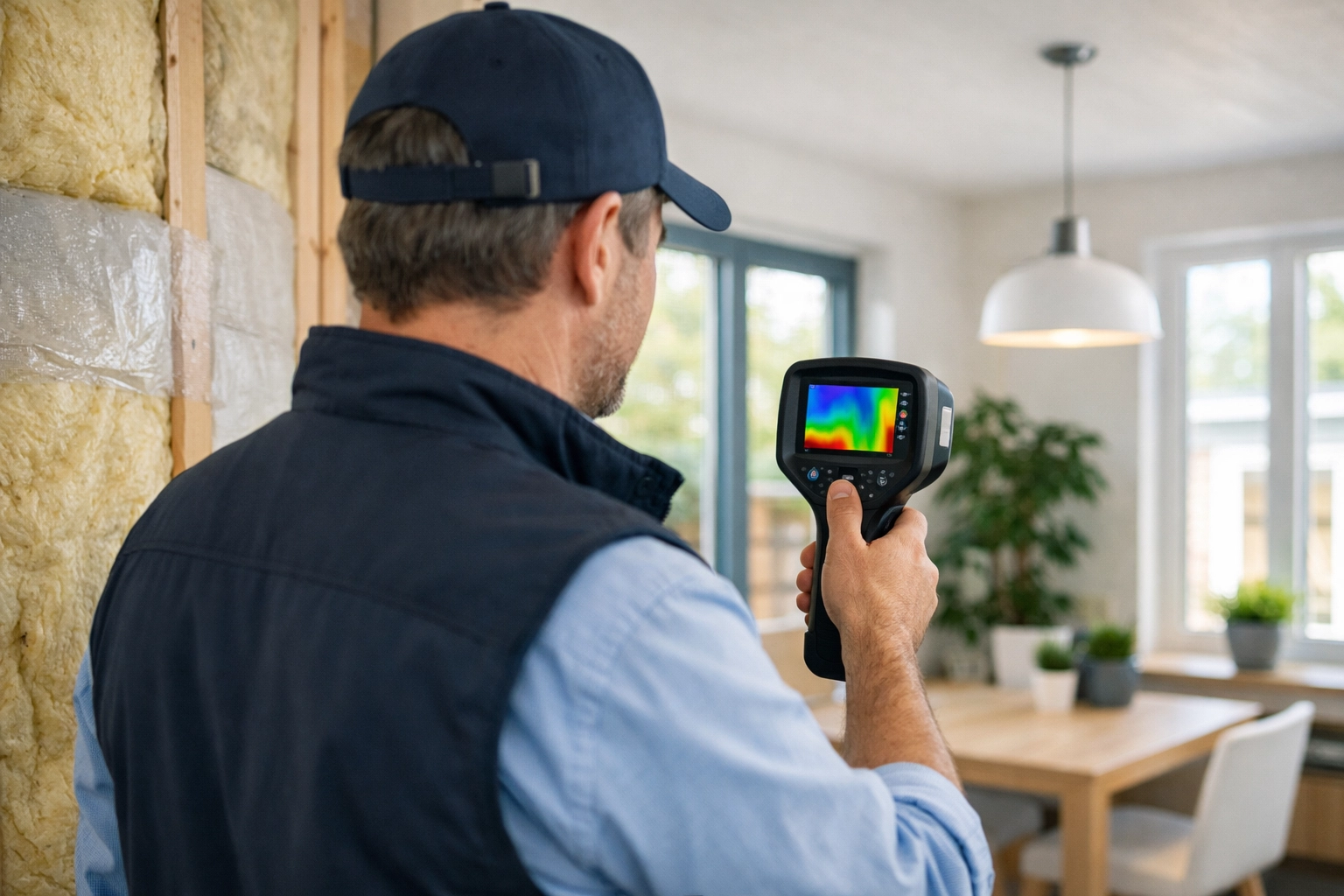
Understand your property's current performance and identify the most impactful improvements. Professional energy audits typically cost £200-£400 but provide precise ROI projections for specific upgrades.
2. Prioritize High-Impact Improvements
Focus first on upgrades delivering the strongest combination of ROI, EPC rating improvement, and tenant appeal. Insulation and HVAC systems typically lead this list.
3. Evaluate Available Incentives
Research applicable tax credits, grants, and financing programs before finalizing your budget and timeline.
4. Consider Long-Term Market Positioning
Factor in regulatory trajectory and market evolution. Upgrades that seem marginal today may become essential within 24-36 months.
5. Calculate Total Return
Include direct cost savings, rental income impact, tenant retention benefits, and property value appreciation in your ROI calculations.
The Verdict for 2026
Green property upgrades are delivering measurable returns in 2026, but success requires strategic implementation. The most effective approach matches specific improvements to your property type, investment timeline, and local market conditions.
What's unequivocal is that energy efficiency has transitioned from optional differentiation to market necessity. Properties without adequate green credentials face increasing headwinds: from tenant attraction to regulatory compliance to asset valuation.
The most successful property investors we work with view sustainability not as a cost center but as a performance driver. They're making calculated improvements now to secure competitive advantage and mitigate future risk.
If you're evaluating green upgrades for your property portfolio, we facilitate comprehensive assessments and connect you with trusted specialists who understand the intersection of sustainability and investment performance. The properties that thrive in the coming years will be those that adapt to this fundamental market shift: and the optimal time to begin that adaptation is today.
Comments